
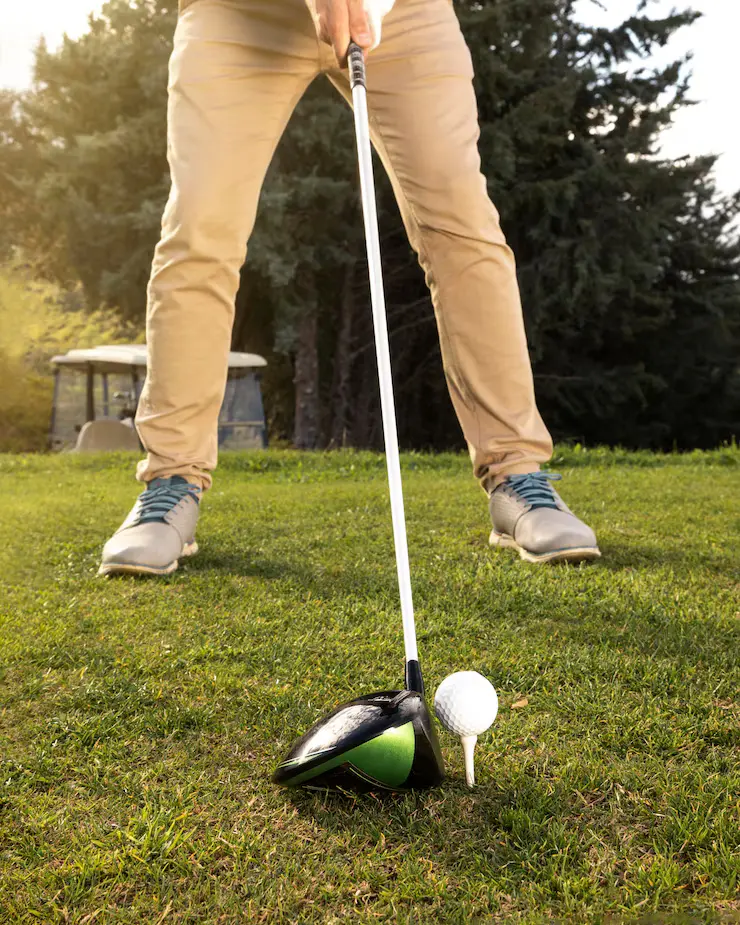
Choosing the right putter is a critical decision for any golfer. A well-selected putter can make a huge difference in your game, helping you to sink more putts and lower your overall score. Whether you’re a seasoned golfer or a beginner, understanding the key factors that go into choosing a putter is essential. This guide will walk you through the key aspects of selecting the right putter for your putting game, helping you make an informed decision.
Why Is Choosing the Right Putter Important?
Putting makes up a significant portion of your golf game, and the putter is arguably the most important club in your bag. It’s responsible for getting the ball into the hole, and even small adjustments can have a huge impact on your success. With a good putter that suits your stroke and style, you can drastically improve your accuracy, consistency, and confidence on the green.
However, choosing the right putter can be overwhelming with so many options available. From blade putters to mallet putters and varying shaft lengths, the options can be daunting. By considering a few key factors, you can find a putter that works best for your individual needs.
Key Factors to Consider When Choosing a Putter
1. Putter Head Design: Blade vs. Mallet
The first decision you’ll need to make when choosing a putter is the head design. There are two primary types of putter heads: blade and mallet.
- Blade Putters: These are the traditional putters, often preferred by professionals. Blade putters have a more compact head and are often considered to offer greater control. They’re ideal for golfers who prefer a more delicate, precise stroke. However, they can be harder to hit consistently if you don’t have a stable putting stroke.
- Mallet Putters: These putters feature a larger, more forgiving head and often come with perimeter weighting. This design helps to stabilize the putter during the stroke, making them easier to control for many golfers. Mallet putters are great for beginners and golfers who struggle with consistency.
Which One Should You Choose?
- If you have a straight putting stroke and want maximum control, a blade putter may be the better option.
- If you need more forgiveness and stability, a mallet putter is a solid choice.
2. Putter Length
The length of your putter plays a crucial role in your putting stance and stroke. Standard putter lengths usually range from 33 inches to 36 inches, but the ideal length for you depends on your height, arm length, and posture while putting.
- Standard Putter Length: If you stand upright when putting, a standard-length putter (around 34 inches) may work well. This is the most common length for golfers of average height.
- Shorter Putters: For golfers who bend over more in their stance, a slightly shorter putter (33 inches) might be ideal. A shorter putter can help maintain a more comfortable posture.
- Longer Putters: Taller golfers or those who have a more upright stance might benefit from a longer putter (36 inches). Longer putters can help you maintain a stable and comfortable stroke.
How to Find the Right Length?
To determine the ideal putter length, stand in your putting stance and see where your hands naturally hang. Your grip should rest comfortably on the putter, allowing for a smooth, pendulum-like stroke.
3. Putter Weight
The weight of your putter also affects how it performs during the stroke. Lighter putters offer more control, while heavier putters provide greater stability. The ideal weight depends on your preferences and the type of putting stroke you use.
- Lighter Putters: These putters provide more feedback and allow for greater feel in your hands. They’re good for golfers who prefer a more delicate stroke and want to feel every movement.
- Heavier Putters: Heavier putters provide more stability and forgiveness, especially on longer putts. They’re ideal for golfers who need more consistency in their putting and want a putter that won’t veer off course easily.
Which Weight is Right for You?
Experiment with both lighter and heavier putters to find the weight that feels most comfortable and natural during your putting stroke. It’s all about achieving the right balance of control and stability.
4. Putter Grip
The grip on your putter is another key element that affects your comfort and control. There are different grip sizes and materials to choose from, depending on your preference.
- Standard Grips: These are the most common and provide a traditional feel. Standard grips are great for golfers who have a light grip and want more tactile feedback.
- Oversized Grips: Oversized grips provide more comfort and can reduce hand tension, making them a good option for golfers who struggle with grip pressure or wrist movement.
- Flat vs. Round Grips: Some golfers prefer flat grips that help keep the hands square to the target, while others like round grips for a more neutral feel.
How to Choose the Right Grip?
Choose a grip size that helps you maintain a relaxed, comfortable hold on the putter. Your grip shouldn’t be too tight, as this can hinder your stroke.
5. Face Insert Technology
Face inserts are an increasingly popular feature in putters. These inserts are made of different materials, such as polymer or metal, and they can affect the feel and sound of your putt.
- Soft Inserts: These inserts provide a softer feel, which can help golfers who need more control over their short game. They absorb more of the ball’s energy, which can improve accuracy.
- Firm Inserts: These inserts give a firmer feel and are better suited for golfers who prefer a more responsive, solid stroke.
Which One to Choose?
Experiment with both types of inserts to determine which one gives you the right feel for your game.
FAQs About Choosing a Putter
1. How do I know if I need a mallet or blade putter?
The choice between a mallet and blade putter depends on your putting stroke and level of experience. If you struggle with consistency and need more forgiveness, a mallet putter is a great choice. If you prefer a more controlled and precise stroke, a blade putter might be better suited to your game.
2. How long should my putter be?
The ideal putter length is based on your posture and height. A standard putter length is usually around 34 inches, but taller golfers or those with an upright stance may prefer longer putters (36 inches), while shorter golfers might need a shorter putter (33 inches).
3. Does the weight of the putter matter?
Yes, the weight of the putter affects your stroke. Lighter putters offer more feel and control, while heavier putters provide more stability. Choose the weight that feels most comfortable during your putting stroke.
4. Should I get a custom-fit putter?
Custom-fitting your putter can greatly improve your putting game. Many golf stores and professionals offer putter fitting sessions, where they analyze your stroke and suggest a putter that suits your body type and style of play.
Conclusion
Choosing the right putter is essential to improving your putting game. By considering factors like the head design, putter length, weight, grip, and face insert technology, you can select a putter that suits your needs and enhances your performance on the green. Remember, the best putter is the one that feels most comfortable to you, so take your time testing different options to find the perfect fit.
Contact us today to get expert guidance and start enhancing your skills. Let’s make your next round your best one yet!